

The Three Service Levels at a Glance
The table below shows what is typical across the large UK garage chains and booking sites. Always check the checklist for the garage you book with, because the details differ.
| Interim service | Full service | Major service | |
|---|---|---|---|
| Typical interval | 6 months or 6,000 miles | 12 months or 12,000 miles | 24 months or 24,000 miles |
| Who it is for | High-mileage cars, between annual services | Every car, once a year | Every other year, in place of a full service |
| Engine oil and filter | Replaced | Replaced | Replaced |
| Air filter | Usually not | Replaced | Replaced |
| Cabin (pollen) filter | No | Sometimes | Usually replaced |
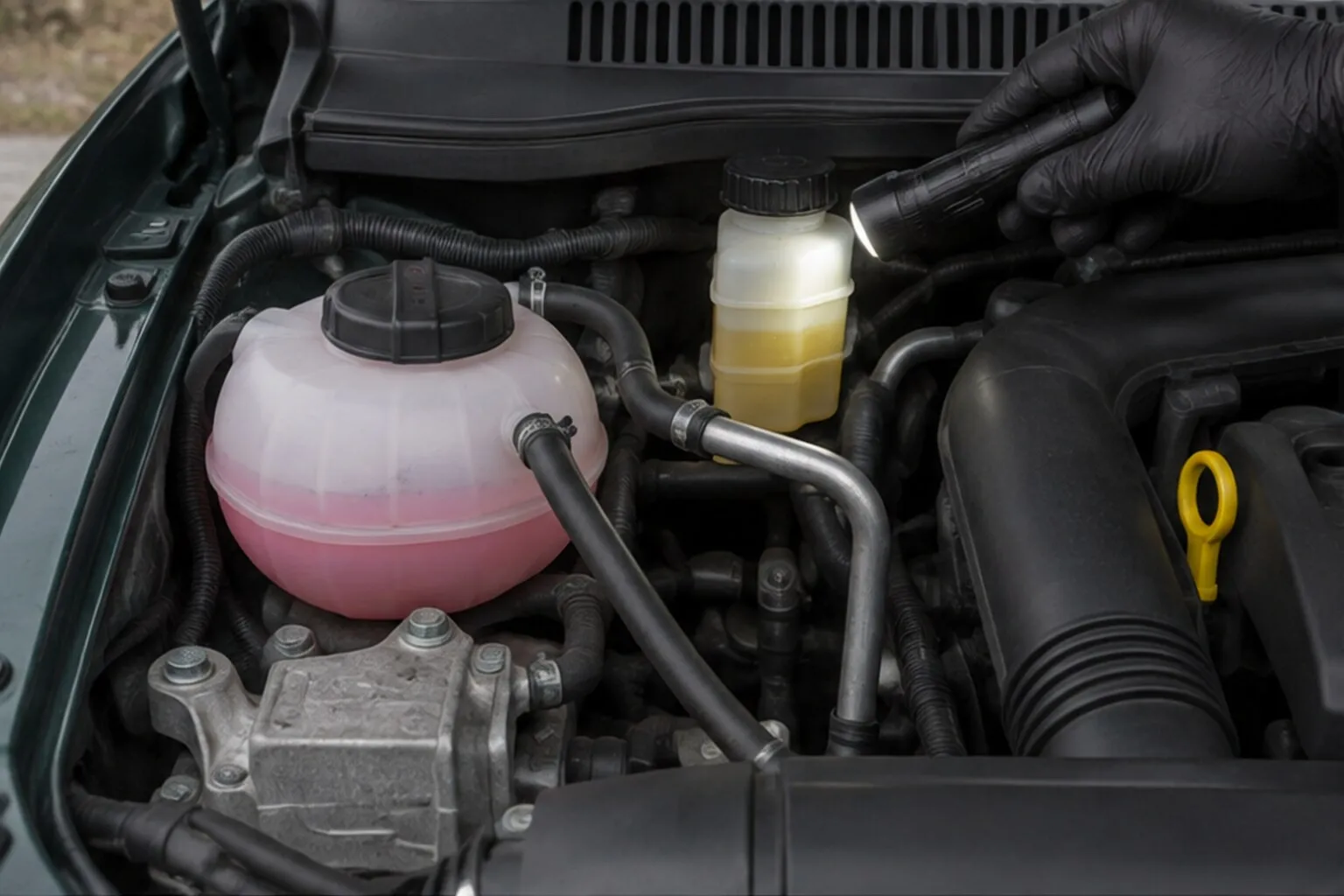
| Brake fluid | Checked and topped up | Checked and topped up | Usually replaced |
| Brake inspection | Visual check | Often a full strip and clean | Often a full strip and clean |
| Typical time | 1 to 2 hours | 2 to 3 hours | 4 hours or more |
Items such as spark plugs, fuel filters, the cambelt and gearbox oil are often not included in any of the three, even when the manufacturer's schedule says they are due. Garages usually quote them as extras.
What an Interim Service Includes
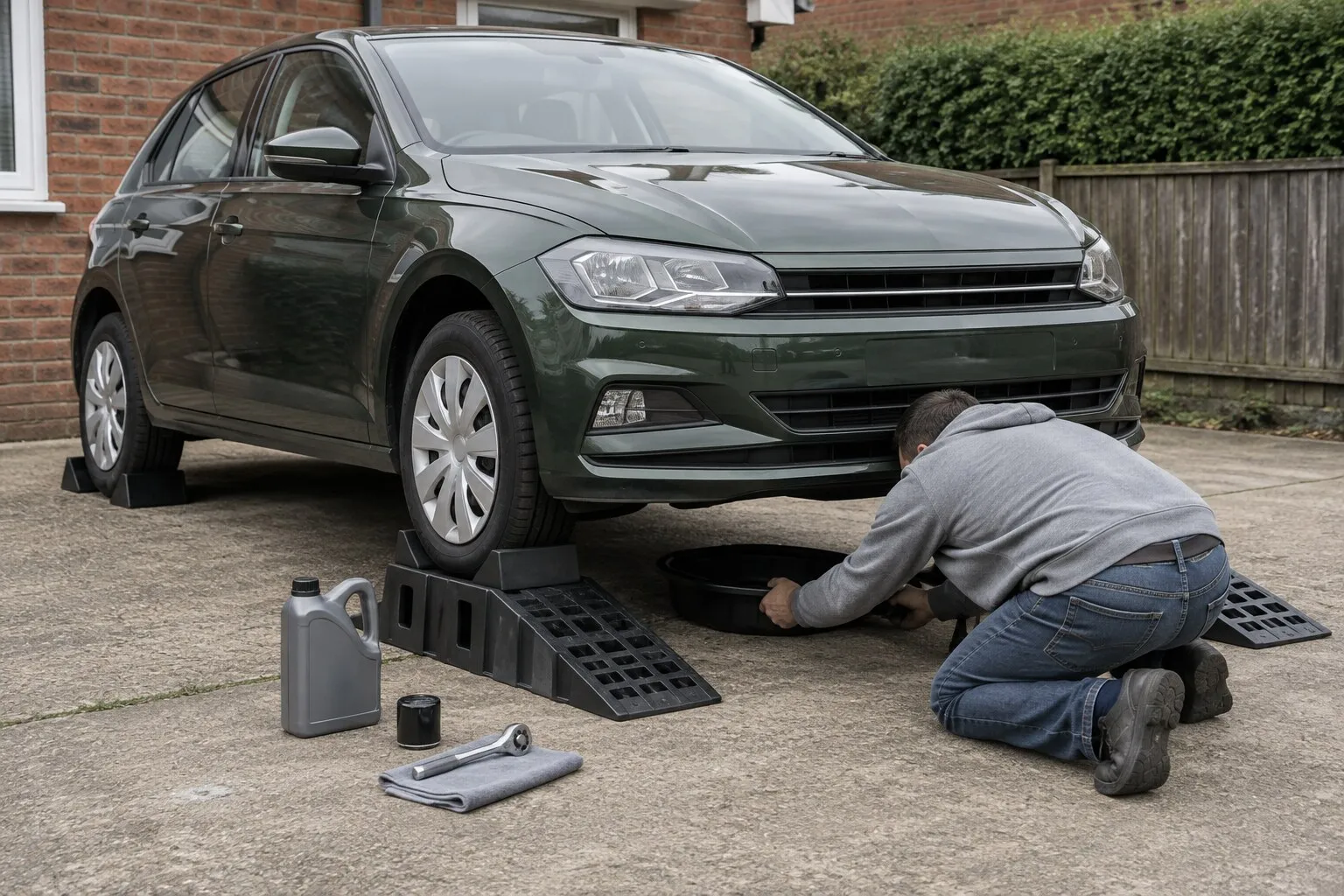
An interim service covers the basics. The engine oil and filter are replaced, the fluids are checked and topped up, and the main safety items are inspected: brakes, tyres, lights, steering, suspension, wipers and the battery.
It is designed for cars that cover high mileage, often quoted as more than 2,000 miles a month, or cars used in ways that are hard on oil. Halfords and Kwik Fit both recommend it every 6 months or 6,000 miles, in between annual services.
An interim service is an extra, not a cheaper substitute. If your car needs a service once a year, booking an interim service in place of the annual one leaves items unchecked and unreplaced.
What a Full Service Includes
A full service is the standard annual service most cars need. It includes everything in an interim service, plus:
- A new air filter.
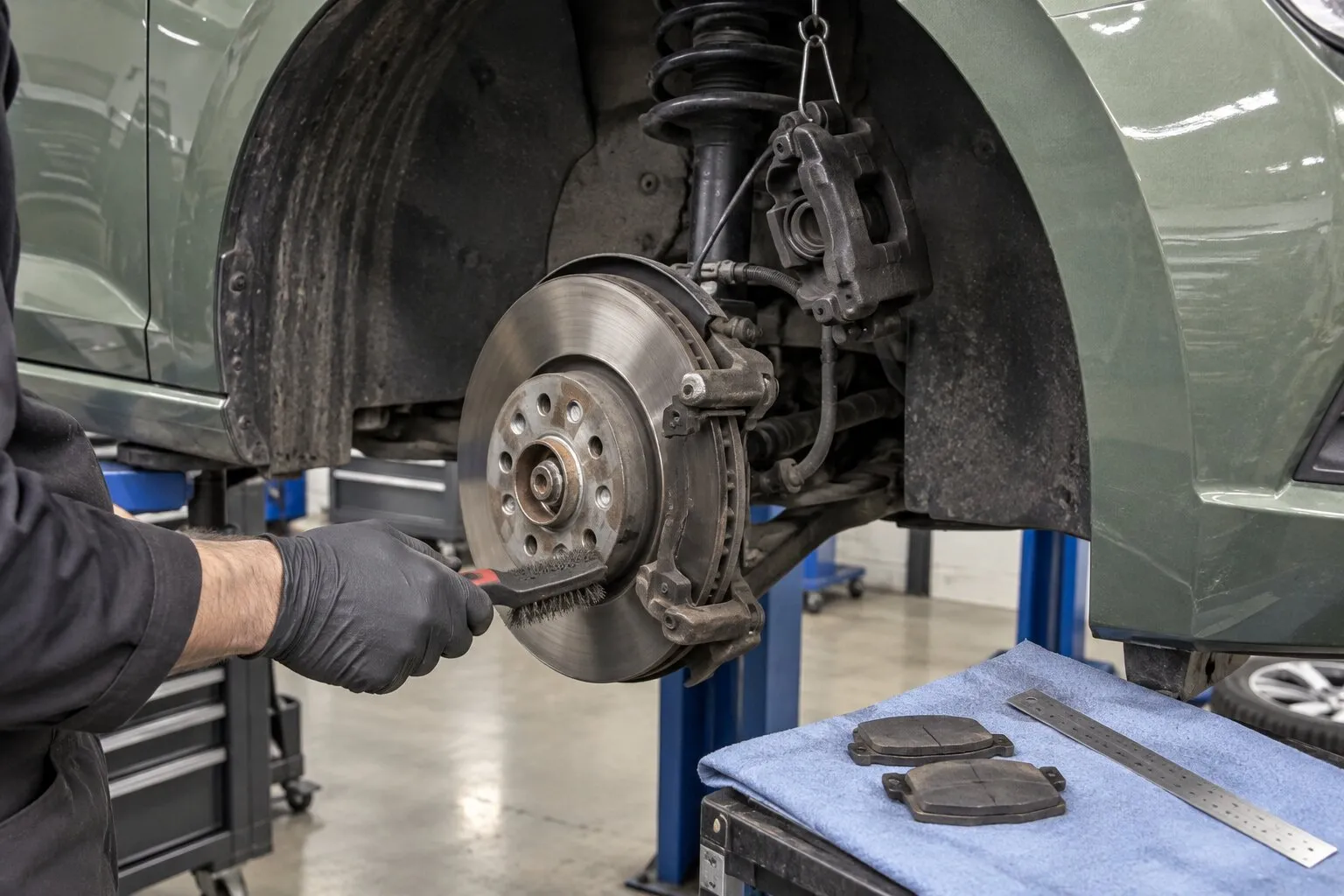
- A more detailed brake inspection. Kwik Fit, for example, strips, cleans and reassembles the brakes as part of its full service.
- More checks under the bonnet and underneath the car, such as the auxiliary belt, coolant hoses, fuel pipes, driveshaft gaiters and exhaust.
- A diagnostic check for stored fault codes, at many garages.
Most garages recommend a full service every 12 months or 12,000 miles, whichever comes first. That is broadly in line with many manufacturer schedules.
What a Major Service Includes
A major service includes everything in a full service, plus the items usually due every two years. At Halfords and National, for example, that means a brake fluid change and a new cabin filter.
It is not always the same thing at every garage. Some garages treat "full" and "major" as two names for the same annual service. Some include spark plugs or a fuel filter in a major service, while others charge for them separately. Read the checklist before you book.
A common pattern for an older car is a full service one year and a major service the next, so the two-yearly items are always covered.
Menu Services and Manufacturer Services
Interim, full and major are menu services. Each garage writes its own list of checks and applies it to every car. Your car's manufacturer has its own schedule, which says exactly what should be done at each interval for your model and engine.
Manufacturers use their own names. Volkswagen, for example, alternates an "Oil Service and Inspection" and an "Oil Service and Inspection with Supplementary Scope". BMW's Condition Based Service tracks items separately, so the car tells you whether oil, brake fluid or a vehicle check is due. Our guide to service reminders and recording your service explains how these schedules work.
The two do not always line up. A menu full service may skip an item the manufacturer requires that year, such as spark plugs or a gearbox oil change due at a set age or mileage. That is why many chains also offer a "manufacturer service", which follows the car maker's schedule for that interval, not the garage's own list.
Why it matters for your service history. A full service history means the car has been serviced to the manufacturer's schedule with no gaps. A string of menu services usually counts, but a careful buyer or a warranty provider may check whether the scheduled items were actually done. Halfords notes that its menu services are stamped to show a menu service was carried out. National's booking page says electronic service books cannot be stamped with these services.
What Each Service Costs
Prices vary with the car, the garage and the area. BookMyGarage's averages from bookings over the last 12 months give a useful guide:
| Service | UK average price |
|---|---|
| Interim service | £149.60 |
| Full service | £185.40 |
| Major service | £248.64 |
Franchised dealers usually charge more, especially for larger and premium cars. A manufacturer service at an independent garage or chain tends to sit between a menu service and a dealer service.
Extras add to the price. Brake fluid, spark plugs and a cambelt are the most common, so ask for a quote that covers everything your schedule says is due.
Which Service Does Your Car Need?
Start with the schedule. Your handbook or service schedule says what the car needs and when. Many manufacturers also publish schedules on their websites, and a dealer or good independent garage can look yours up from the registration.
If the car is under warranty, book the service the manufacturer's schedule asks for at that interval. A manufacturer service at an independent garage is fine, as long as it follows the schedule and uses parts of matching quality. Our guide to DIY servicing and service history covers the warranty rules in more detail.
If the car is older and out of warranty, a full service every year and a major service every other year covers most cars well. Check separately for items the menu leaves out, such as spark plugs and the cambelt.
If you cover high mileage, add an interim service between annual services, or follow the mileage limit in your schedule if you reach it first.
If you mostly do short journeys, an interim service with an extra oil change can help, because short trips are hard on engine oil. Our guide to engine oil and filter changes explains why.
How Each Service Shows in Your Service History
A good service invoice names the type of service, so a buyer can see what was done. It should also list the parts and oil used, the mileage and any extra work. Add each invoice to your free digital service book and the pattern is easy to see.
When you look back through a history, the pattern matters more than the label. For a car on an annual schedule, you would expect one full or major service every year, at roughly the right mileage. Interim services in between are a bonus, showing a high-mileage car was looked after. A history made up only of interim services is weaker, because the annual items may never have been done.
Look for the two-yearly items too. Brake fluid, the cabin filter and, at longer intervals, spark plugs and the cambelt should each appear when they fall due. Our guide to brake fluid shows how often that change should appear.
Buying a Used Car: What to Check
- Count the services against the car's age. A five-year-old car on an annual schedule should have five services recorded.
- Read what each service was. A run of interim services with no full or major service in between is a gap, not a full history.
- Look for the extras. Check that brake fluid, spark plugs and the cambelt appear when the schedule says they should.
- Check the mileages. Services should be spaced roughly in line with the schedule, with the mileage rising steadily.
A Service History Check shows the services recorded against a car, so you can compare them with the paperwork the seller shows you.