
How to Service Your Car
The complete UK car service checklist: every job, which service includes it and how to make sure the work is recorded.
Car servicing guidesA car service is a long list of small jobs. Some parts are replaced, some are checked and adjusted, and the rest of the car is looked over for anything worn, leaking or loose. Knowing what is on that list helps you book the right service, spot what a garage has left out and judge a used car's history. Here is every job that goes into servicing a car, which service includes what, which jobs you can do yourself and how to make sure the work is recorded.
Updated
What a service covers:
- Engine oil and filter replaced
- Air, cabin, fuel and spark plug items, when due
- Fluids checked and topped up
- Brakes, tyres, steering and suspension inspected
- Lights, battery, exhaust, belts and hoses inspected
- Fault codes read and a road test
- Service light reset and the work recorded
Most cars need servicing once a year or at the mileage in the schedule, whichever comes first.
Average full service
£185.40
UK average from BookMyGarage


Quick Answer
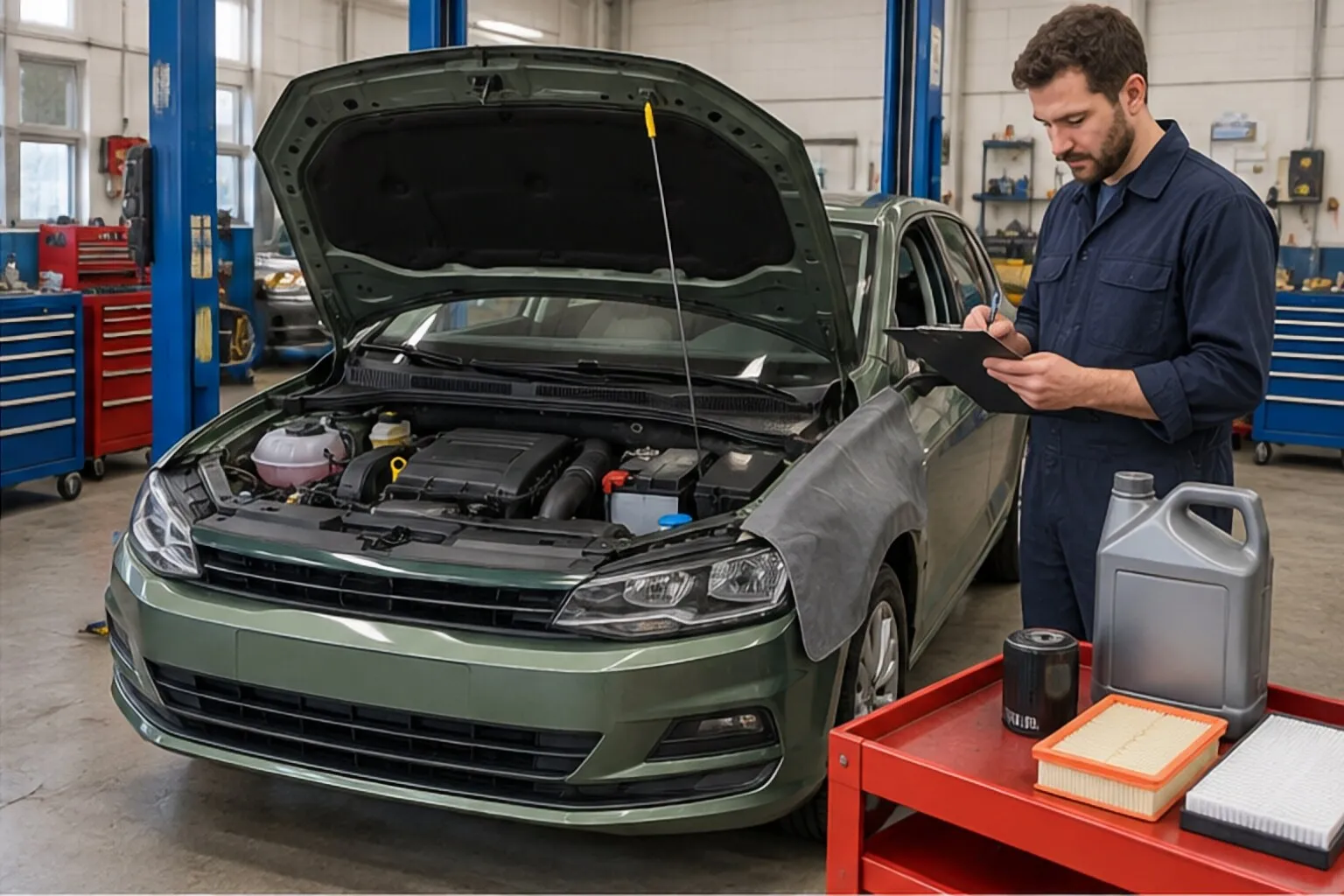
A car service replaces the engine oil and filter and, depending on the service, the air, cabin, fuel and spark plug items due. It checks and tops up the fluids and inspects the brakes, tyres, steering, suspension, lights, battery, exhaust, belts and hoses.
The garage then road tests the car, reads any fault codes, resets the service light and records the work. Most cars need servicing once a year or at the mileage in the schedule, whichever comes first. BookMyGarage puts the average full service at £185.40.
Key Takeaways
Your car's manufacturer schedule says what is due at each service. A garage's interim, full or major menu may not match it exactly.
Spark plugs, the cambelt, gearbox oil and air con are often charged as extras, even when they are due.
Brakes, steering and the cambelt are best left to a garage. Filters, bulbs and wiper blades are easy jobs to do yourself.
An itemised invoice is the strongest proof of a service. Keep every one.
What a Car Service Is
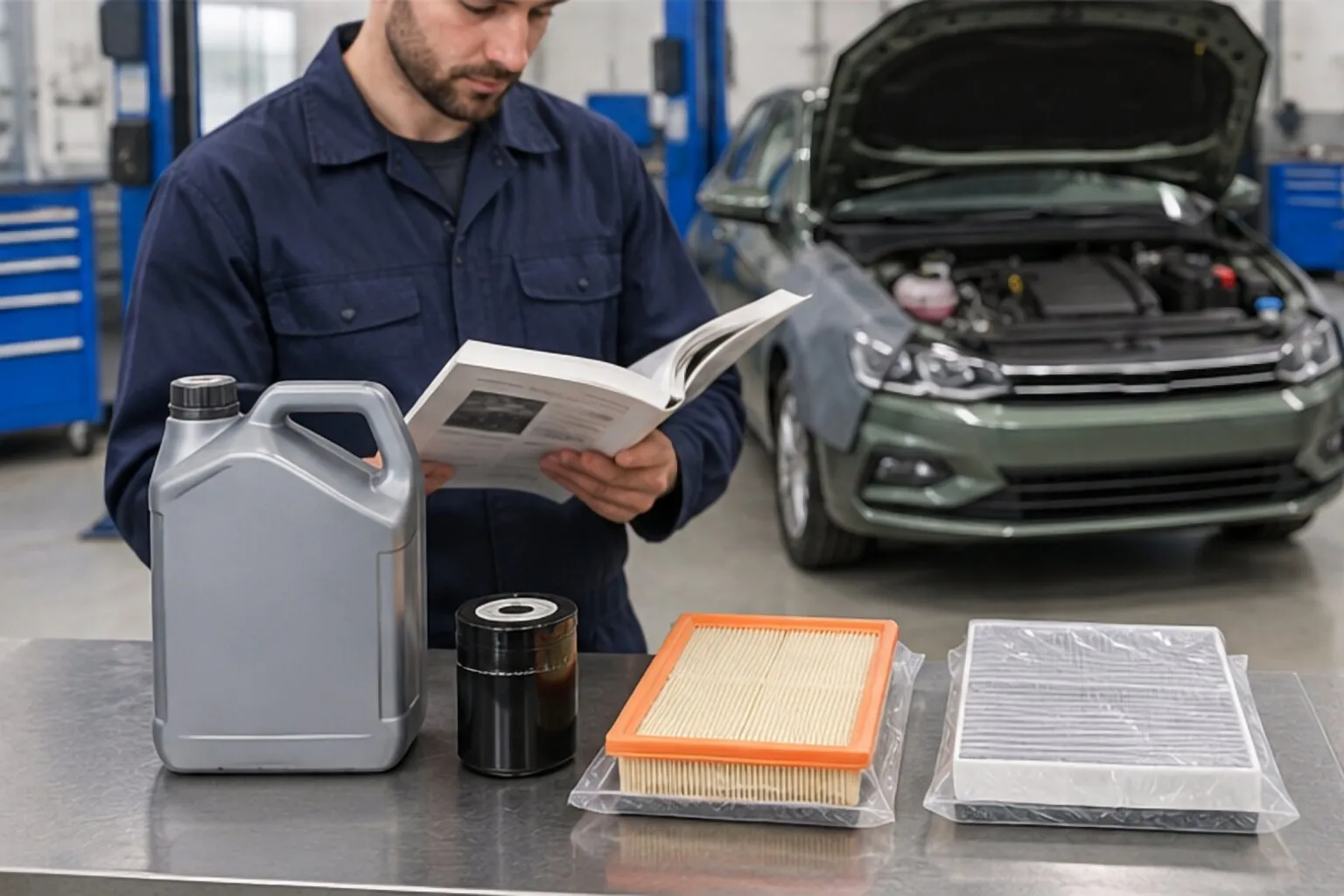
A service is routine maintenance, done at set intervals to keep the car safe and reliable and to catch wear before it turns into a breakdown. It is not a legal requirement in the UK. A warranty, lease or finance agreement may still require it.
It is different from the MOT. The MOT is a legal inspection of safety and emissions, with a maximum fee of £54.85 for a car. It checks whether the car meets the minimum standard on the day. It does not cover the condition of the engine, clutch or gearbox, and it replaces nothing. A service is where the oil is changed, the filters are replaced and worn parts are found before they fail.
There are two ways a service can be planned:
The manufacturer's schedule
Every car maker sets out what should be done at each interval for each model and engine. This is what "full service history" is measured against.
A garage menu service
Most independent garages and chains sell interim, full and major services, each with a fixed checklist. These are convenient, but the list may not match your car's schedule for that year.
Every Job in a Car Service
The table below shows what is typically included at each level. Garages vary, so always read the checklist before you book. Select any job to read our full guide.
| Job | Interim | Full | Major |
|---|---|---|---|
| Parts and fluids replaced | |||
| Engine oil and filter change | Replaced | Replaced | Replaced |
| Air filter replacement | Usually not | Replaced | Replaced |
| Cabin filter replacement | No | Sometimes | Usually replaced |
| Spark plug replacement | No | Sometimes, as extras | Sometimes, or as extras |
| Fuel filter replacement | No | Sometimes, as extras | Sometimes, or as extras |
| Brake fluid | Checked and topped up | Checked and topped up | Usually replaced |
| Coolant and antifreeze | Checked | Checked | Checked |
| Gearbox oil and automatic transmission fluid | Extra, when due | Extra, when due | Extra, when due |
| What is inspected | |||
| Brake inspection | Visual check | Often a full strip and clean | Often a full strip and clean |
| Steering and suspension check | Basic check | Checked | Checked |
| Tyres: tread depth and pressures | Checked | Checked | Checked |
| Exhaust and emissions check | Basic check | Checked | Checked |
| Battery check | Checked | Checked | Checked |
| Lights, bulbs and wipers | Checked | Checked | Checked |
| Belts, hoses and leak checks | Basic check | Checked | Checked |
| Final checks | |||
| Diagnostic scan | Sometimes | At many garages | At many garages |
| Road test | Most garages | Most garages | Most garages |
| Service light reset and recording the service | Included | Included | Included |
| Milestone jobs | |||
| Cambelt replacement | Extra, when due | Extra, when due | Extra, when due |
| Air con regas | Extra, when due | Extra, when due | Extra, when due |
| UK average price | £149.60 | £185.40 | £248.64 |
- Included
- Sometimes, or a basic check
- Not included as standard
Prices are BookMyGarage averages from bookings over the last 12 months. Our guide to interim vs full vs major services explains each level in detail and which one your car needs. The cambelt, gearbox oil and air con regas are not included in any of the three as standard, even when they are due.
Parts and Fluids Replaced at a Service
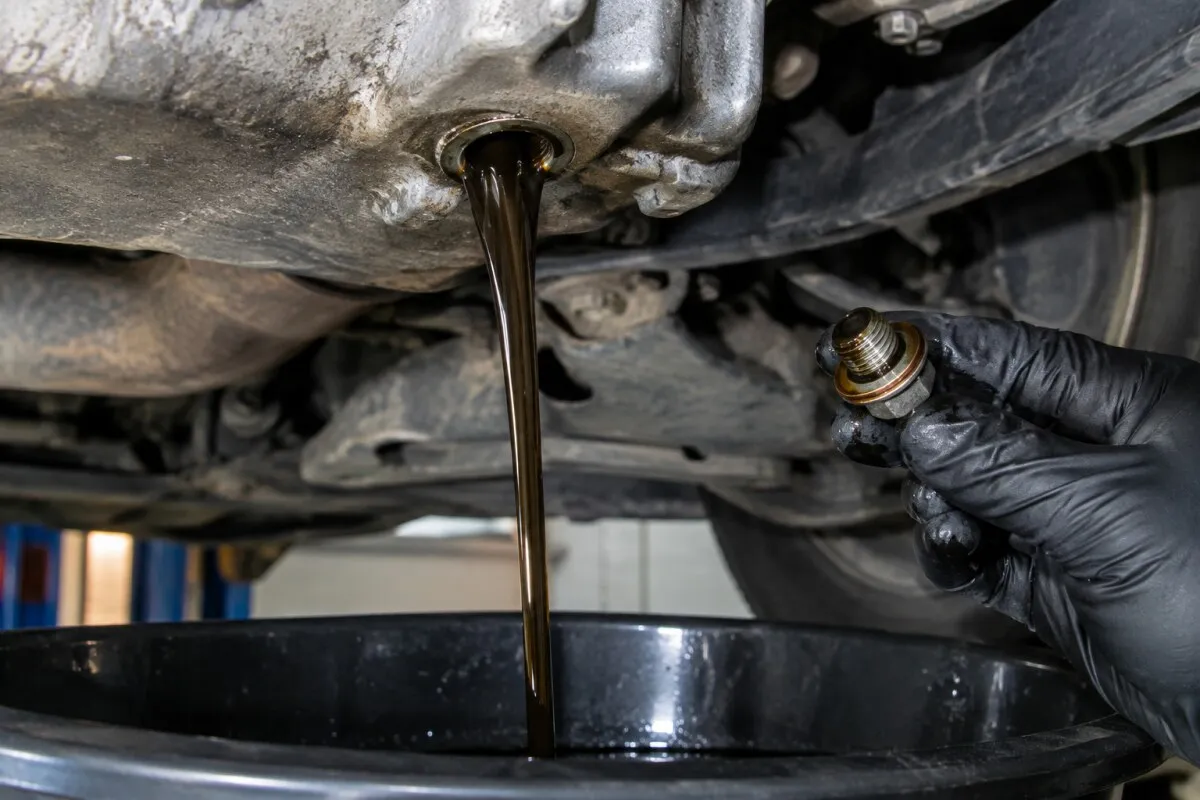
Engine oil and filter change. The core of every service. Many modern cars need it every 12 months or 10,000 miles, or up to two years and 18,600 miles on a variable schedule. The oil must meet the specification in the handbook as well as the right grade, and the invoice should say which oil was used.
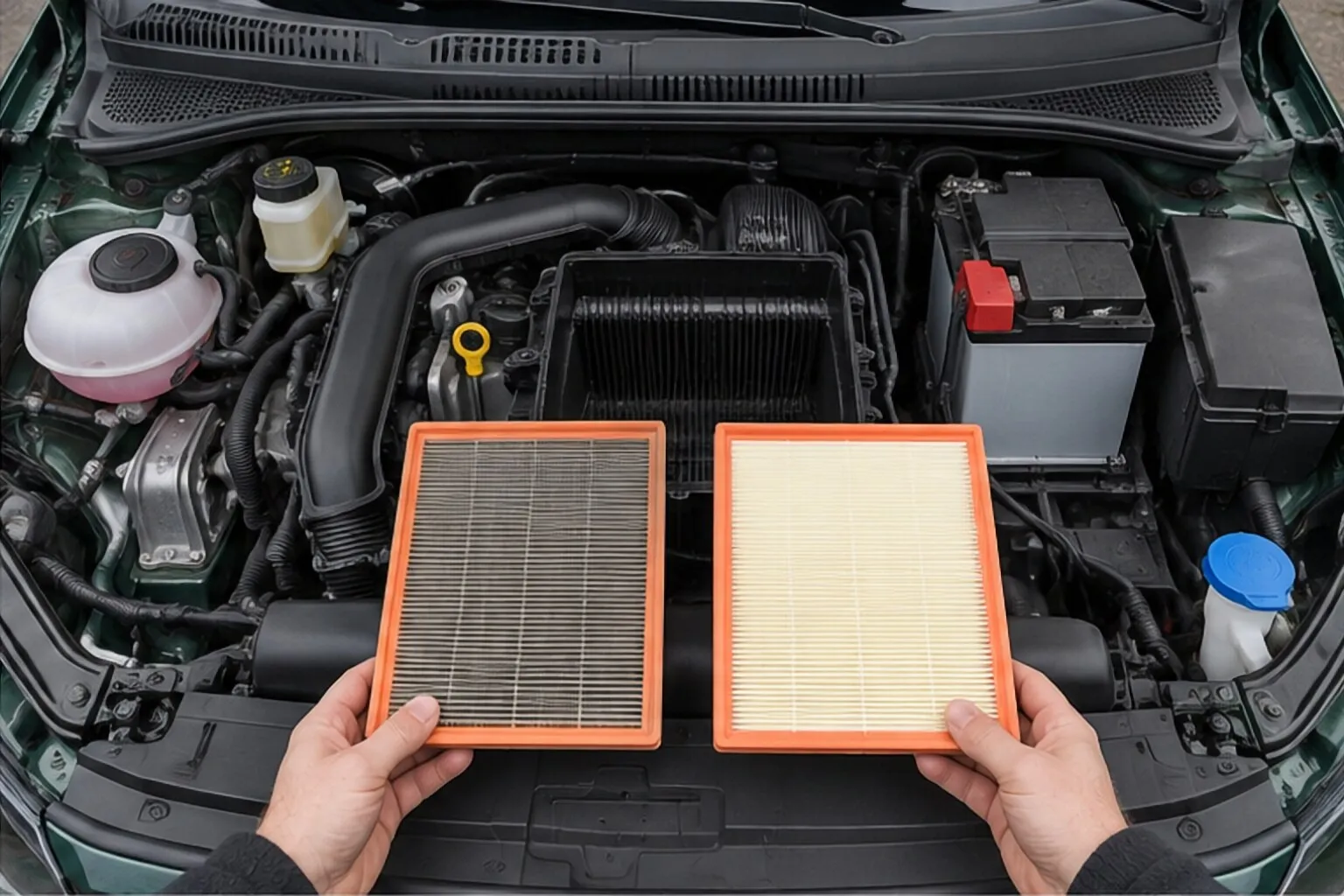
Air filter replacement. The engine air filter stops dust reaching the engine. Depending on the car, it is changed anywhere from every year to every four years, and more often on dusty roads. It is normally replaced at a full or major service.
Cabin filter replacement. Also called the pollen filter, it cleans the air coming into the car through the vents. Most cars need a new one every year or two. A blocked filter weakens the fan and makes the windows mist up.
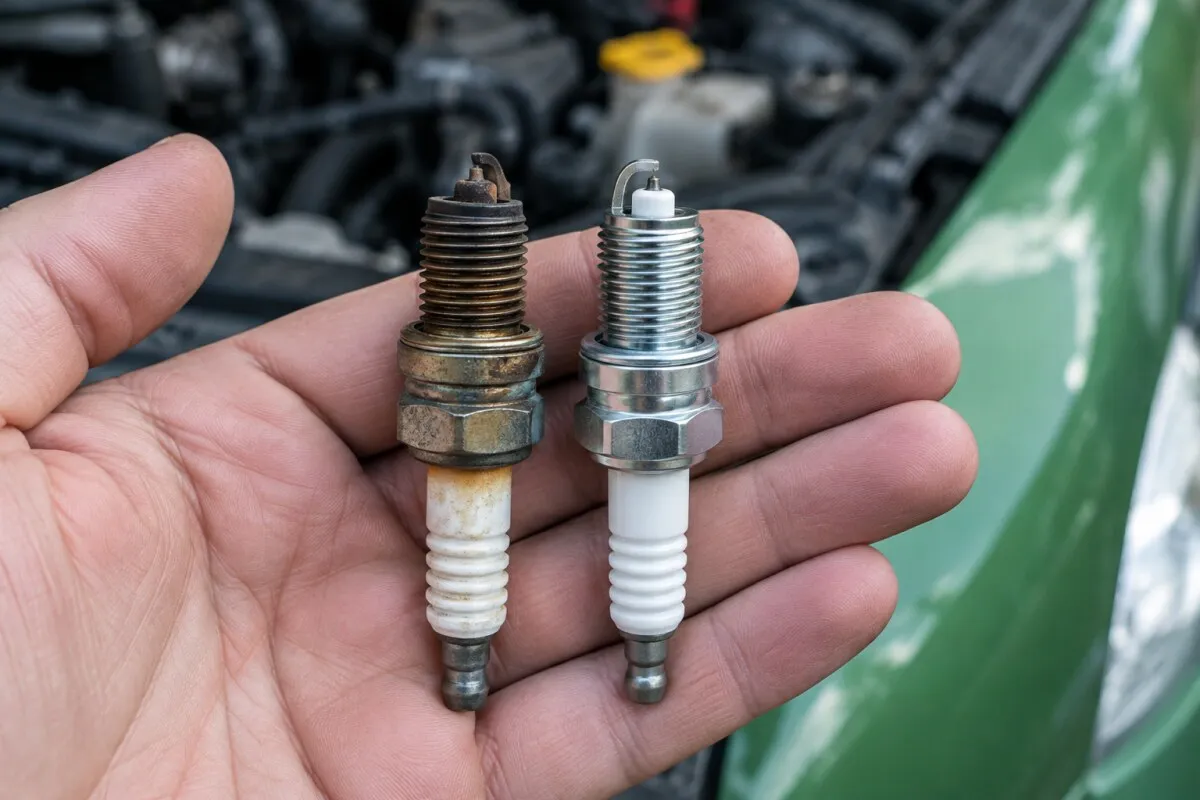
Spark plug replacement. Petrol cars only. The long-life plugs fitted to most modern petrol cars usually last 60,000 to 100,000 miles, often with a time limit as well. Worn plugs cause misfires, hard starting and poor economy.
Fuel filter replacement. Mainly a diesel job, often every one to two years. Diesel filters also separate out water. Many petrol cars have a filter inside the tank designed to last the life of the pump.
Brake fluid change. Brake fluid absorbs water over time, which lowers its boiling point. Most manufacturers want it changed every two years, whatever the mileage. It should appear as its own line on the invoice.
Coolant and antifreeze. The level and strength are checked at every service. Modern long-life coolant is often changed every five to ten years, at the interval in the schedule.
Gearbox oil and automatic transmission fluid. Many manual gearboxes are filled for life. Some automatics and most wet-clutch dual-clutch gearboxes need regular changes, such as every 40,000 miles on Volkswagen's six-speed DSG.
What Is Inspected at a Service
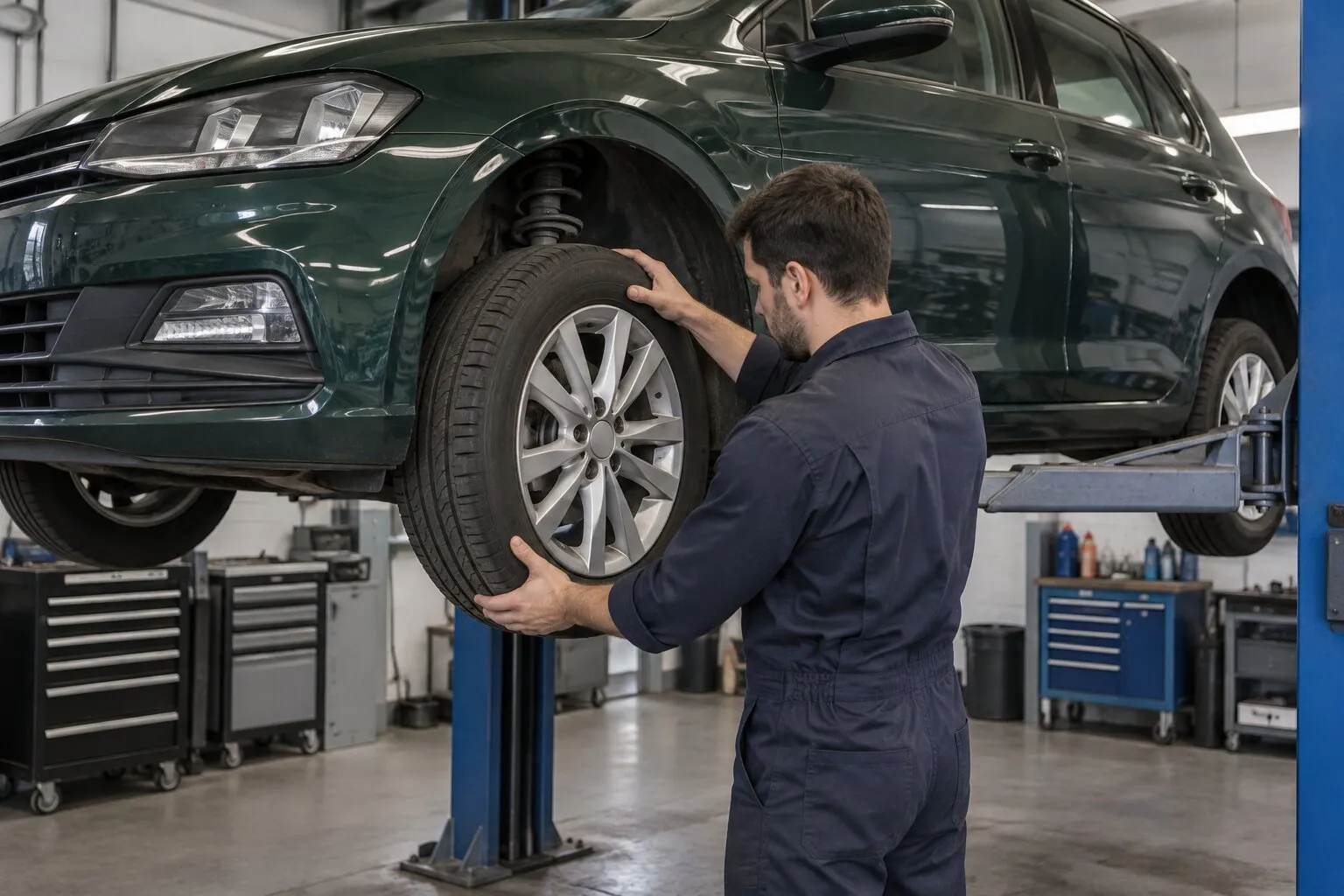
Brake inspection. The pads, discs, callipers, pipes, hoses and handbrake are checked for wear, damage and leaks. At a full service many garages strip, clean and reassemble the brakes.
Steering and suspension check. Shock absorbers, springs, bushes, ball joints, track rod ends, drop links and the steering rack are checked for wear and play. Suspension faults are among the most common reasons cars fail the MOT.
Tyres. The garage checks the tread depth, looks for damage and sets the pressures. Our guides cover tyre tread depth and tyre pressure, including the legal limit.
Exhaust and emissions check. The exhaust is checked for leaks, corrosion and damaged mountings. On diesels, the garage looks for signs of a blocked particulate filter.
Battery check. The battery is tested and the terminals checked for corrosion. Battery faults are one of the most common causes of breakdowns.
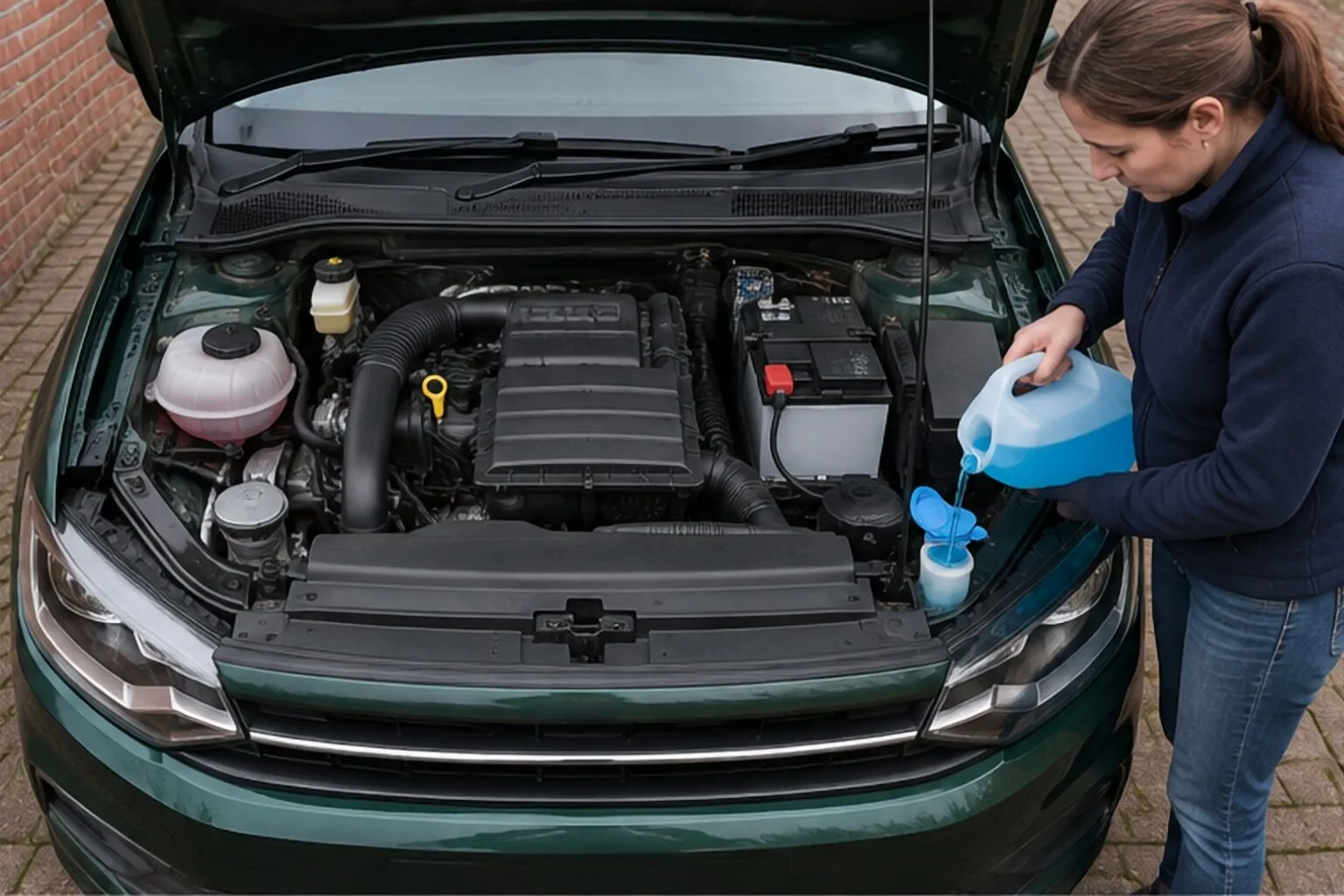
Lights and wipers. Every light is checked, and the wiper blades and washers tested. Our guides explain how to check your car lights, how to change a car bulb and how to change wiper blades. Screenwash is topped up as a matter of course.
Belts, hoses and leak checks. The auxiliary belt is checked for cracks and tension, the coolant, fuel and brake hoses for perishing, and the engine and gearbox for leaks.
Final Checks at the End of a Service
Diagnostic scan. Many garages plug in a scan tool to read stored fault codes, even when no warning light is showing. On most modern cars, the scan tool is needed anyway to reset the service light.
Road test. Most garages finish with a short drive. The technician checks that the brakes work evenly without pulling, that the steering is straight and the car tracks true, and that the gearbox and clutch behave normally. They listen for knocks, rumbles and squeals that only show up on the move, and check that no warning lights appear. A road test also confirms that nothing disturbed during the service, such as a wheel or a brake calliper, has been left loose. If a fault turns up, it should go on the service report.
Service light reset and recording the service. The garage resets the service reminder so it counts down to the next service, then records the work in the service book or digital record and on the invoice.
Milestone Jobs
Some jobs come round only every few years, so they are easy to miss and are usually quoted separately.
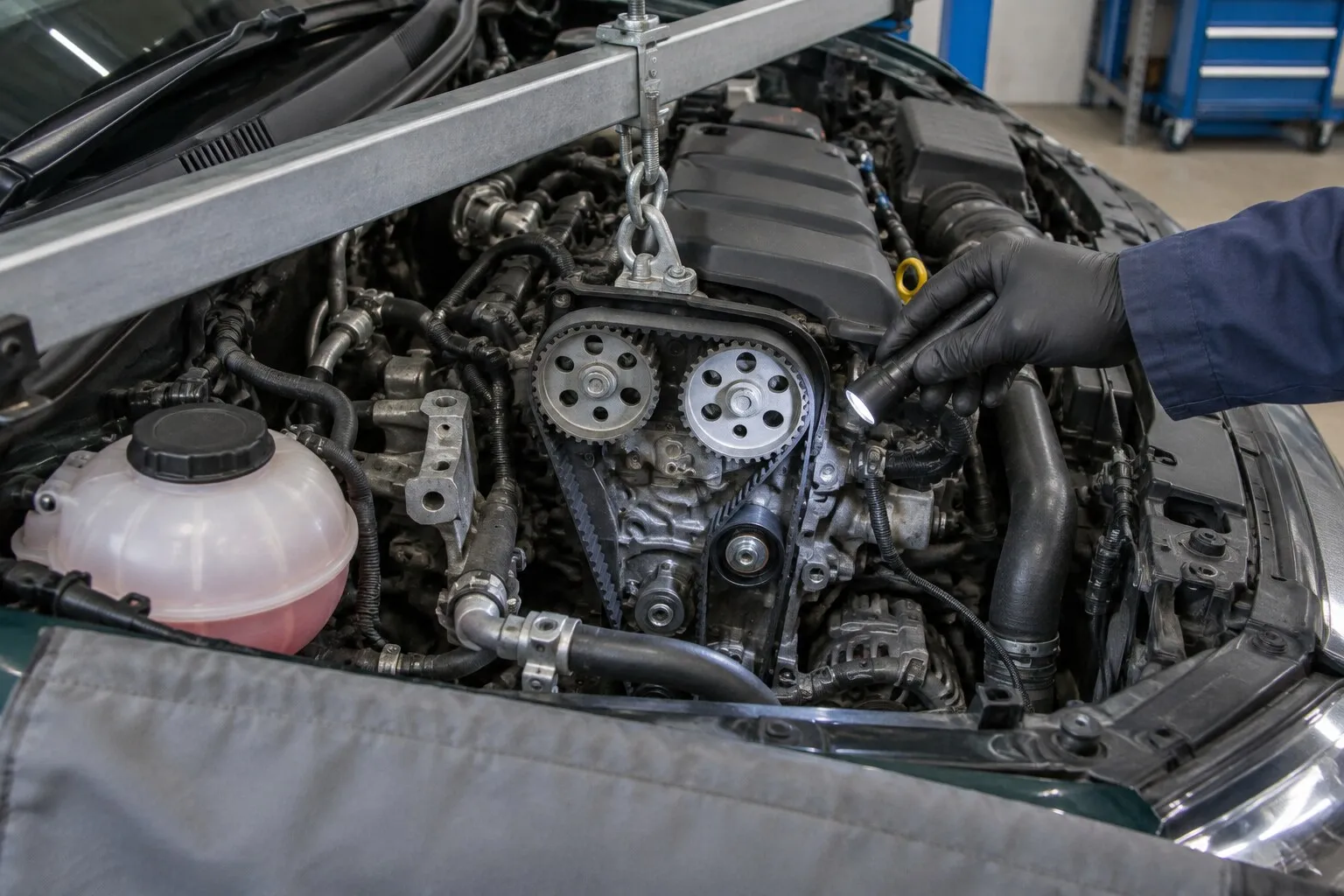
Cambelt replacement. On engines with a timing belt, the manufacturer sets a replacement interval in miles and years, typically somewhere between 40,000 and 100,000 miles or four to ten years. If it snaps, it can wreck the engine. The only reliable proof it has been done is an invoice.
Air con regas. Most manufacturers recommend a regas every two years, as systems lose around 10% of their refrigerant a year.
Others. Depending on the car, coolant, gearbox oil and spark plugs can also fall into this group. Check the schedule for the years and mileages they are due.
How Often to Service Your Car
Service your car at the interval in its manufacturer's schedule, by time or mileage, whichever comes first. For many cars that means once a year or every 10,000 to 15,500 miles. Cars on a variable schedule can go up to two years between services and tell you when one is due.
Low mileage is not a reason to skip a year. Oil ages with time, brake fluid absorbs water and rubber parts perish whether the car is driven or not. A car used mainly for short trips may need servicing more often. Our guide to how often you should service your car covers fixed and variable schedules in detail.
What a Car Service Costs
Interim service
£149.60
UK average price
Full service
£185.40
UK average price
Major service
£248.64
UK average price
These are BookMyGarage averages. Main dealers usually charge more, especially for larger and premium cars. Extras such as brake fluid, spark plugs and a cambelt add to the bill, so ask for a quote that covers everything your schedule says is due.
DIY or Garage: Which Jobs Can You Do Yourself?
Plenty of service jobs are within reach of a careful owner with basic tools. Others are best left to a garage, either for safety or because they need special equipment.
| Usually fine to do yourself | Best left to a garage |
|---|---|
| Checking and topping up oil, coolant and screenwash | Brakes, including pads, discs and brake fluid changes |
| Replacing the cabin filter and, on many cars, the air filter | Steering and suspension repairs |
| Changing wiper blades and many bulbs | Cambelt replacement |
| Checking tyre pressures and tread | Air con regas, which needs trained staff and recovery equipment |
| An oil and filter change, if you can raise the car safely | Anything on an EV or hybrid's high-voltage system |
If you do your own servicing, record it properly. Note the date, mileage, parts and oil used, and keep the receipts and photos. Our guide to DIY servicing and service history explains how buyers and warranty providers view it. For the regular checks every driver can do, see our guide to how to maintain your car.
Making Sure the Service Is Recorded
A service only counts as history if there is a record of it. Before you drive away, check that you have:
An itemised invoice, showing the date, mileage, registration, the type of service and every part and fluid used, including the oil specification.
A stamp in the service book, or an entry in the manufacturer's digital record, where your car has one.
The service light reset, so the next service is not missed.
A note of any advisories, such as pads close to the limit, so you can plan the work.
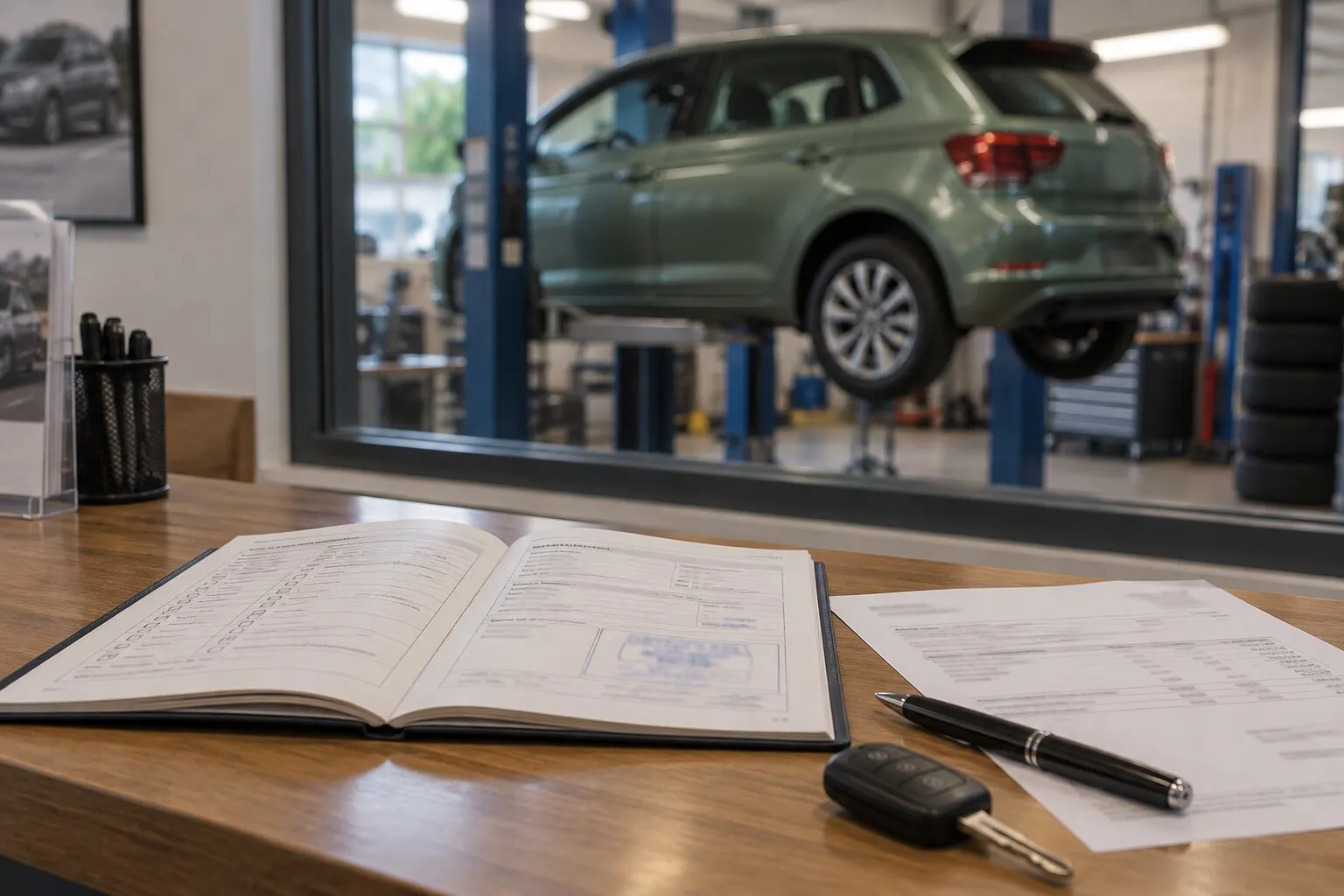
The invoice is the most valuable part. A stamp backed by an invoice is close to unarguable, while a stamp on its own is the one a careful buyer will question. Our guide on how to fill in a car service book covers what each entry should show.
Car Servicing and Your Warranty
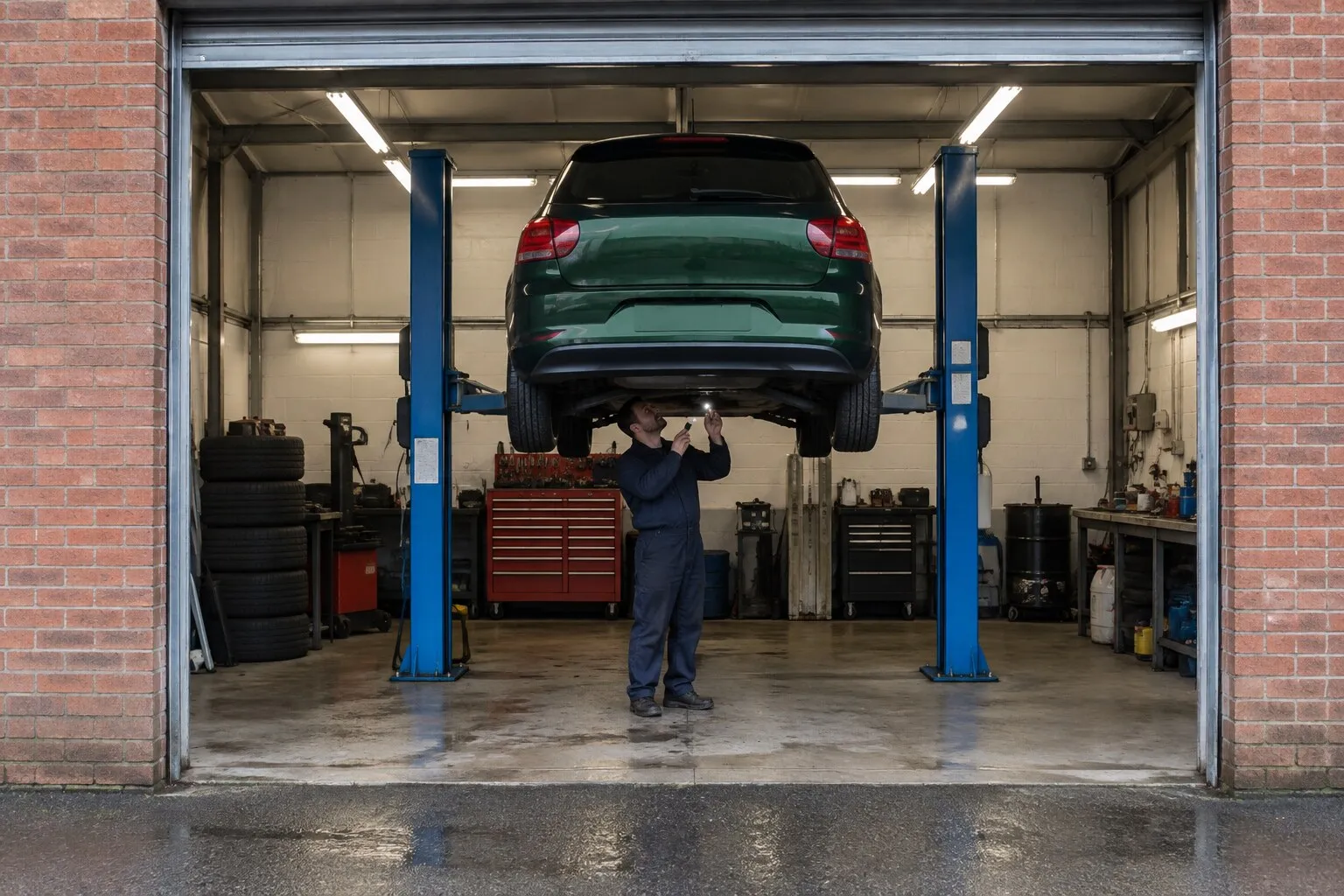
You do not have to use a main dealer to keep your manufacturer's warranty. In the UK, the Motor Vehicle Block Exemption Order 2023 protects your right to use an independent garage. The garage must follow the manufacturer's schedule, use parts of matching quality and record the work. Warranty repairs and recalls still go to the dealer. Our guide to independent garage servicing and your warranty explains the rules.
Electric and Hybrid Cars
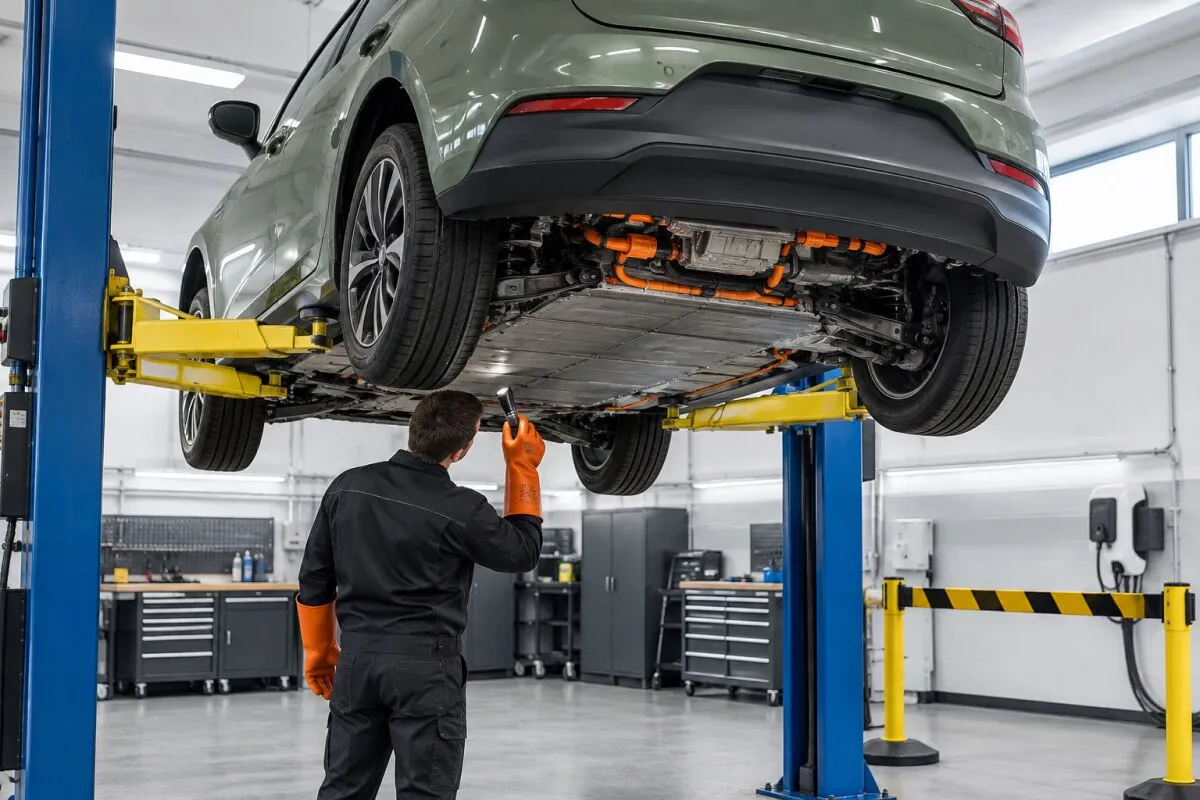
Electric cars need less servicing, but not none. There is no oil, spark plugs or cambelt, but the brakes, tyres, suspension, cabin filter, coolant and high-voltage system are all checked. Hybrids need everything a petrol car needs, plus checks on the hybrid battery. Our guide to EV and hybrid servicing covers the differences.
Frequently Asked Questions
What is included in a full car service?
An oil and filter change, a new air filter, checks and top-ups of all fluids, and an inspection of the brakes, tyres, steering, suspension, lights, battery, exhaust, belts and hoses. Many garages also read fault codes and finish with a road test.
How long does a car service take?
An interim service usually takes one to two hours, a full service two to three hours, and a major service four hours or more.
How much does a car service cost?
BookMyGarage puts the UK average at £149.60 for an interim service, £185.40 for a full service and £248.64 for a major service. Main dealers usually charge more.
Is a car service the same as an MOT?
No. The MOT is a legal safety and emissions inspection. A service is maintenance, where the oil, filters and worn parts are replaced. Many garages do both on the same day.
Is it a legal requirement to service my car?
No, but a warranty, lease or finance agreement may require it. Missing services can also affect a warranty claim and the car's value.
Can I service my own car?
Yes, many jobs are straightforward. Leave the brakes, steering, cambelt and air con to a garage, and record everything you do. While the car is under warranty, a garage service is the safer choice.
What happens if I miss a service?
Nothing immediately, but oil and fluids keep ageing and worn parts go unnoticed. A gap in the history can also lower the car's value and weaken a warranty claim. Book the service as soon as you can.
What is a road test in a car service?
A short drive at the end of the service to check the brakes, steering, gearbox and suspension work properly, and that no warning lights or new noises appear.

Build Your Service Book
Every service is only as good as the record it leaves behind. Upload your invoices and stamped pages to your free digital service book, add any DIY work, and have the car's full history in one place when you sell.